 +91 99648 60132
 restoreorthoclinic@gmail.com





Posted by Admin in
Shoulder pain can significantly affect daily activities, work, and sports performance. Conditions such as rotator cuff tears, shoulder instability, or persistent stiffness often limit movement and reduce quality of life. When conservative treatments like rest, medication, and physiotherapy do not provide adequate relief, shoulder arthroscopy offers an effective and minimally invasive treatment option.
What Is Shoulder Arthroscopy?
Shoulder arthroscopy is a minimally invasive surgical procedure used to diagnose and treat various shoulder joint conditions. It involves making small keyhole incisions through which a tiny camera called an arthroscope and specialized surgical instruments are inserted.
The camera provides a clear view of the shoulder joint on a screen, allowing precise treatment with minimal damage to surrounding tissues. Compared to traditional open surgery, arthroscopy results in less pain, smaller scars, and faster recovery.
Conditions Treated with Shoulder Arthroscopy
Shoulder arthroscopy is commonly used to treat a variety of shoulder problems, including:
- Rotator cuff tears
- Shoulder instability and recurrent dislocations
- Labral tears (including SLAP lesions)
- Frozen shoulder (adhesive capsulitis)
- Shoulder impingement syndrome
- Biceps tendon injuries
- Loose bodies or cartilage damage within the joint
When Is Shoulder Arthroscopy Recommended?
Shoulder arthroscopy may be recommended when:
- Shoulder pain persists despite medications and physiotherapy
- There is reduced range of motion or shoulder weakness
- Recurrent shoulder dislocations occur
- Imaging studies reveal structural damage
- Daily activities or sports performance are affected
A detailed clinical examination and imaging evaluation help determine whether arthroscopy is the appropriate treatment.
How Is Shoulder Arthroscopy Performed?
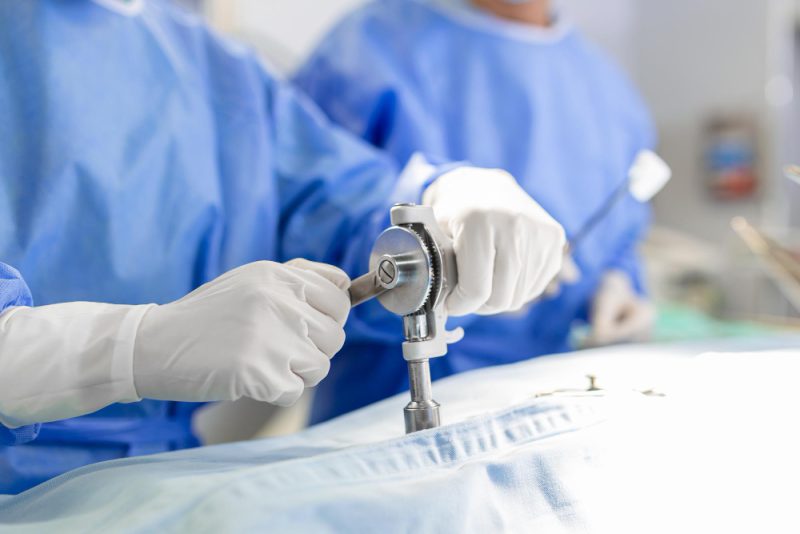
The procedure is usually performed under general or regional anesthesia. Small incisions are made around the shoulder through which the arthroscope and instruments are inserted. Depending on the condition, the surgeon may repair torn tendons, stabilize the joint, remove inflamed tissue, or address cartilage damage.
Most shoulder arthroscopy procedures are completed within a few hours, and many patients can return home the same day.
Recovery and Rehabilitation
Recovery after shoulder arthroscopy depends on the condition treated and the type of repair performed. In general:
- A sling may be used temporarily for support
- Pain and swelling gradually reduce within a few days
- Physiotherapy is essential to restore strength and mobility
- Daily activities can usually be resumed within a few weeks
- Return to sports is gradual and guided by rehabilitation progress
Following a structured rehabilitation program is crucial for optimal recovery and long-term shoulder function.
Benefits of Shoulder Arthroscopy
Some key advantages of shoulder arthroscopy include:
- Minimally invasive technique
- Reduced post-operative pain
- Smaller scars and better cosmetic results
- Faster recovery compared to open surgery
- Improved shoulder stability and function
Role of Sports Medicine in Shoulder Arthroscopy
In sports medicine, shoulder arthroscopy is widely used to help athletes recover from injuries and safely return to their sport. A combined approach involving surgery, physiotherapy, and performance-focused rehabilitation ensures both physical recovery and confidence in movement.
Conclusion
Shoulder arthroscopy is a safe and effective treatment option for many shoulder conditions that do not respond to conservative care. Its minimally invasive nature allows faster recovery while restoring shoulder function and reducing pain.
Early evaluation and appropriate treatment planning play a key role in achieving the best outcomes. If shoulder pain or instability is affecting your daily life or sports performance, expert consultation can help determine the most suitable treatment approach.




 WhatsApp Us